Norwegian
  English

GNSS jamming and spoofing are becoming increasingly common in several maritime regions. When satellite signals are disrupted or manipulated, the result can be inaccurate positioning, reduced situational awareness, and increased navigational risk. Furuno offers solutions that detect and alert operators to such incidents, while enabling vessel navigation systems to maintain access to critical positioning and timing data when GNSS signals can no longer be relied upon.
Safe Navigation During GNSS Jamming and Spoofing Attacks
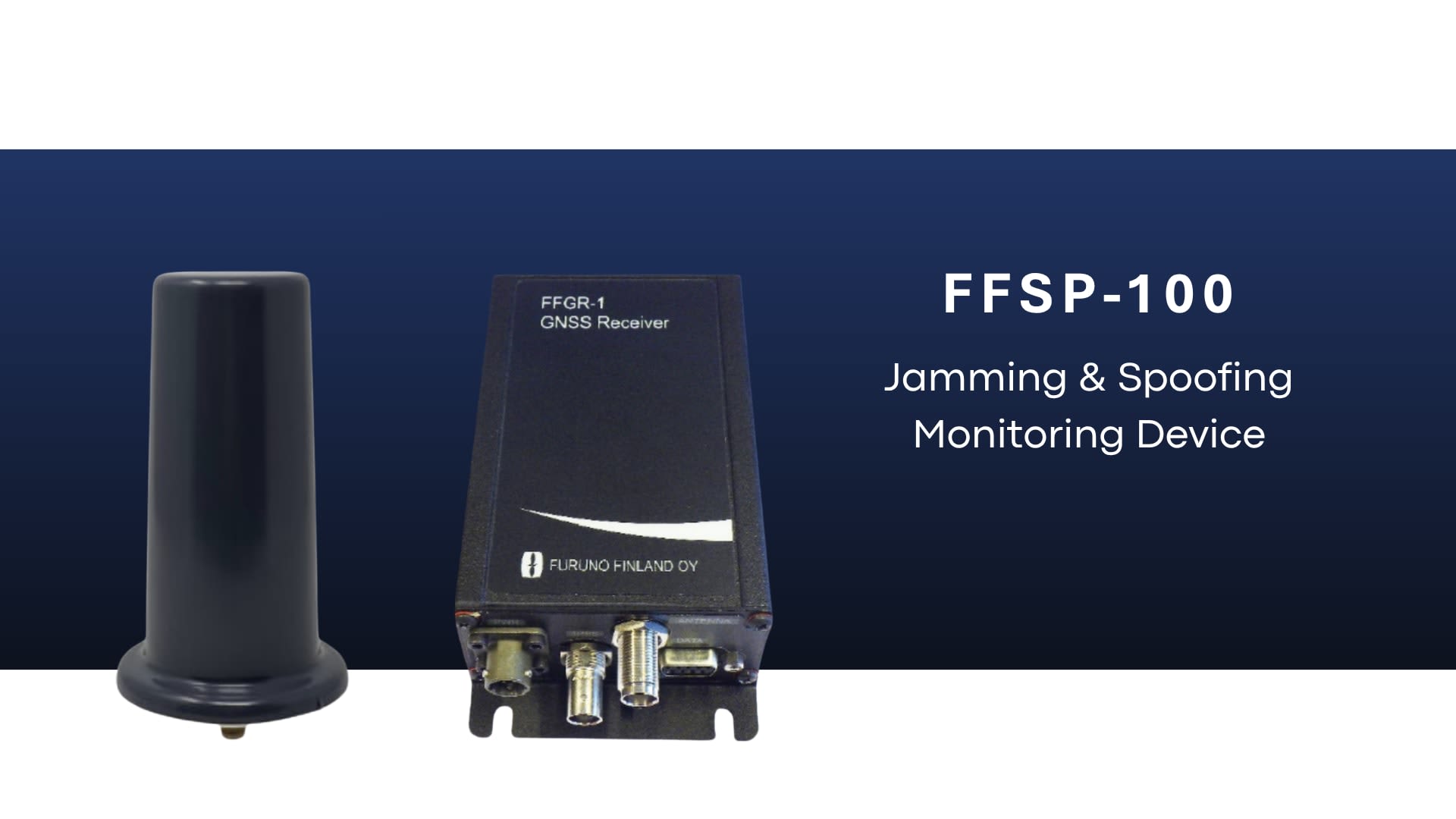
Furuno FFSP-100 Detects GNSS Jamming and Spoofing
Modern navigation systems depend on reliable positioning and timing data from satellite-based navigation services. When these signals are disrupted or manipulated, critical navigational equipment such as radar, ECDIS, satellite compasses, AIS and other GNSS-referenced systems can be affected.
The Furuno FFSP-100 continuously monitors GNSS signals from the GPS, Galileo, GLONASS and BeiDou satellite constellations. By continuously analysing signal data, the system can identify indicators of jamming or spoofing. When abnormal signal conditions are detected, the operator is alerted through a visual warning on the control panel, enabling the situation to be assessed and appropriate action to be taken.
The FFSP-100 is designed to complement our Wheelmark-approved GPS receivers and satellite compasses. It can be integrated into a vessel’s existing navigation infrastructure and provides a trusted source of position, date and time information during contingency situations where GNSS signals are subject to interference or manipulation.
Maintaining Access to Critical Navigation Data
In the event of a jamming or spoofing attack, maintaining continuous access to reliable Positioning, Navigation and Timing (PNT) data is essential. Early detection enables the navigator to identify the incident and assess appropriate mitigation measures before it impacts the vessel’s navigation and operations.
Once a GNSS anomaly has been identified, the FFSP-100 provides verified PNT data that can be distributed to the vessel’s navigation systems. This ensures that critical systems continue to receive position updates during contingency situations where standard GNSS signals can no longer be used as the primary reference source.
The need for such capabilities has grown as reports of GNSS interference continue to increase worldwide. Tests conducted by Gdynia Maritime University have demonstrated the impact of jamming and spoofing on conventional GNSS receivers. The trials also confirmed that the Furuno FFSP-100 maintained stable positioning performance under interference levels at which conventional receivers either lost signal altogether or experienced a significant reduction in signal quality and integrity.
Whether caused by unintentional interference or deliberate jamming and spoofing attacks, GNSS disruptions pose a serious challenge to safe navigation. The FFSP-100 helps vessels maintain navigational resilience and continue critical operations when GNSS signals can no longer be trusted.
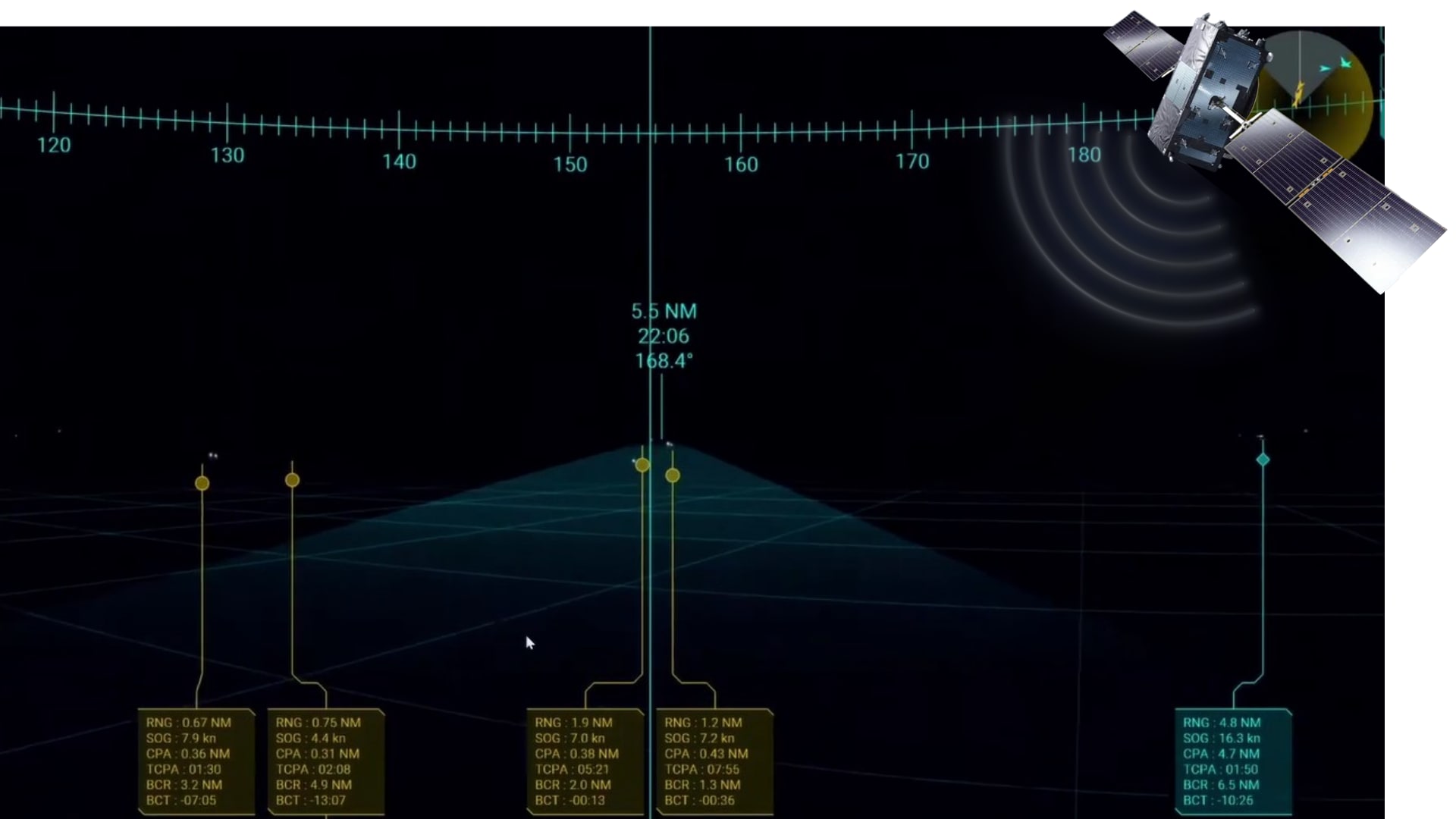
LAB-demonstration of jamming og spoofing
Contact Us for More Information
Installation and commissioning of the FFSP-100 is straightforward and can be carried out by Furuno service engineers through our network of local dealers and our global service organisation.
If you would like to learn more about protecting your vessels against GNSS jamming and spoofing, please get in touch with our team. We will be happy to discuss the most suitable GNSS resilience solutions for your fleet and operational requirements.
Visit us at Employees Furuno Norway